


Calamnet Guides turn complex technical and accessibility topics into practical, approachable resources. Each guide brings together established standards, current guidance, and real-world considerations so you can understand not only what to do, but why it matters.
Whether you are choosing an accessible font, working with captions and subtitle formats, or learning how a particular technology fits into your workflow, these guides are designed to support informed decisions without assuming specialist knowledge. New guides will continue to expand this collection alongside Calamnet's tools and services.
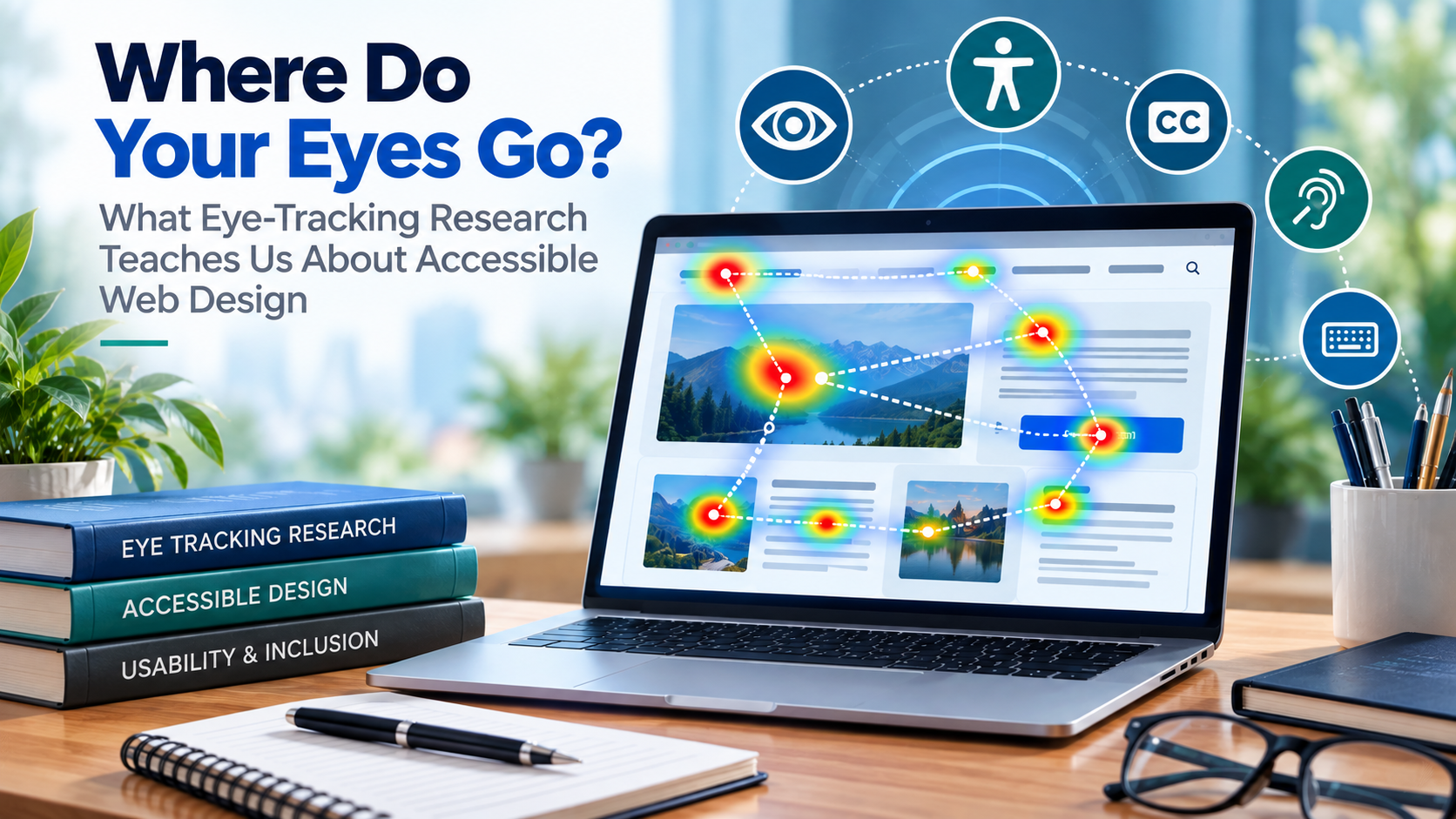
Where Do Your Eyes Go?...
September 29, 2026 Guide
This guide explores what recent eye-tracking research can teach us about accessible web design. It examines how people visually navigate websites, recognize links and controls, process text, respond to visual complexity, and experience images and navigation. The research highlights the importance of clear visual hierarchy, discoverable interactions, readable content, and reducing unnecessary visual competition, while also showing how factors such as dyslexia, age, language proficiency, and individual differences can affect visual behavior. The guide also explains the limitations of eye tracking and why it should complement and not replace accessibility standards, assistive technology testing, and testing with disabled users.
Read guide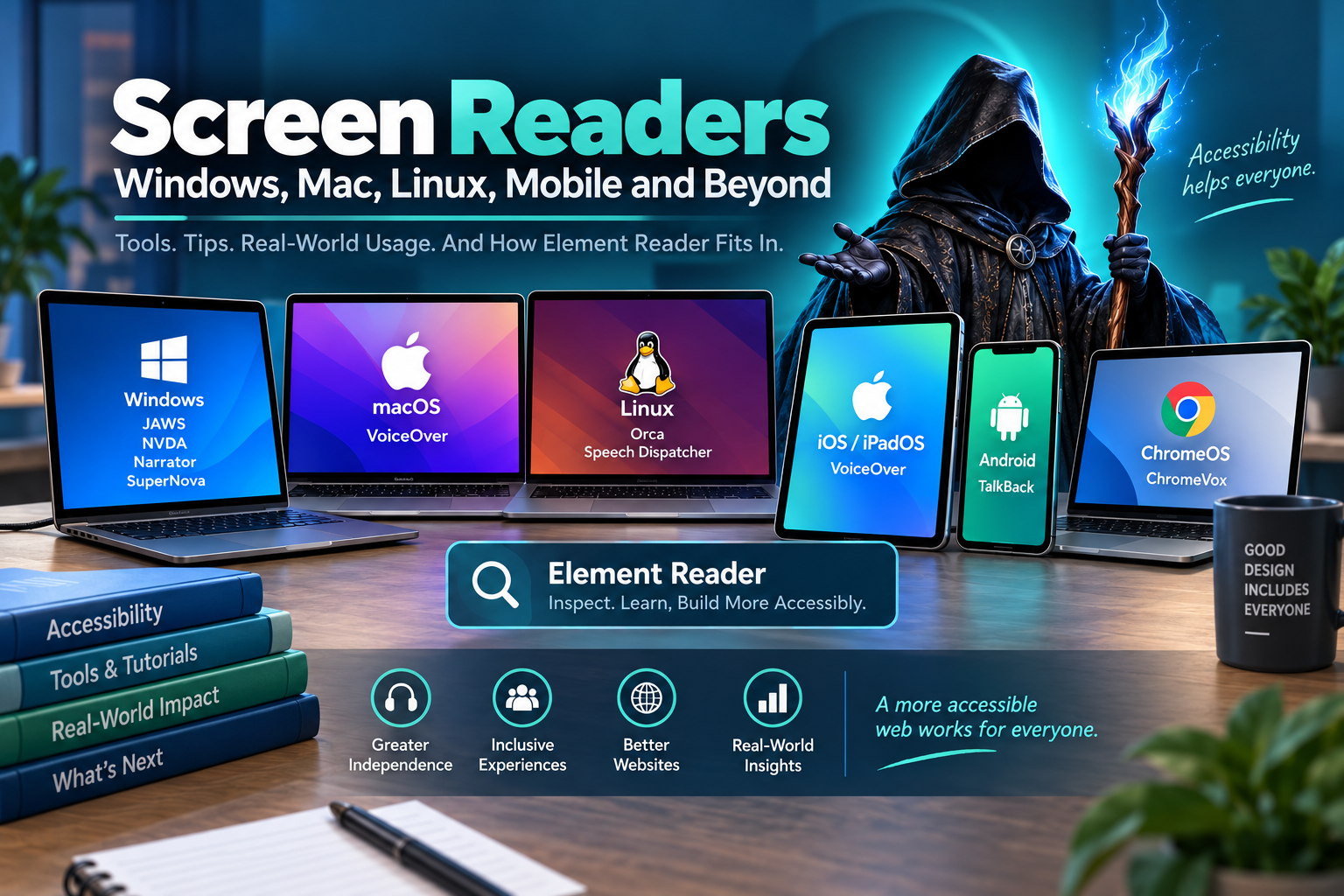
Screen Readers Explained...
September 21, 2026 Guide
Explore the most widely used screen readers across Windows, macOS, Linux, iOS, and Android, including how built-in options are enabled and which screen reader/browser combinations are most common. Learn where Calamnet’s Element Reader fits into the accessibility testing process and why real assistive technology testing remains essential.
Read guide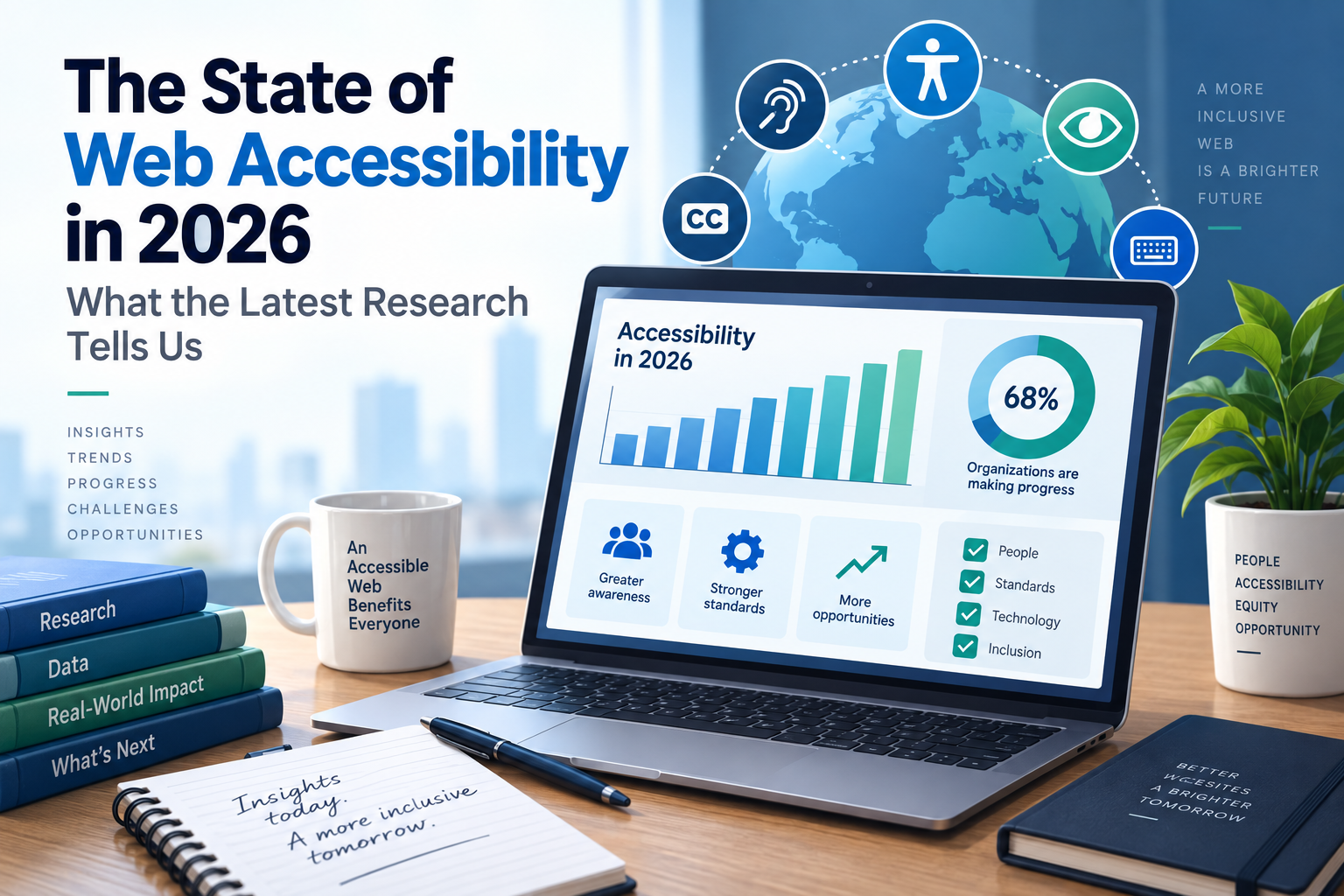
The State of Web Accessibility in 2026
September 11, 2026 Research
Web accessibility continues to improve, but recent research shows that significant barriers remain across websites and digital experiences. This article examines the latest findings, explores where progress is being made, and highlights the persistent challenges affecting people with disabilities. It also considers what the research means for designers, developers, and organizations working to create a more inclusive web in 2026 and beyond.
Read guide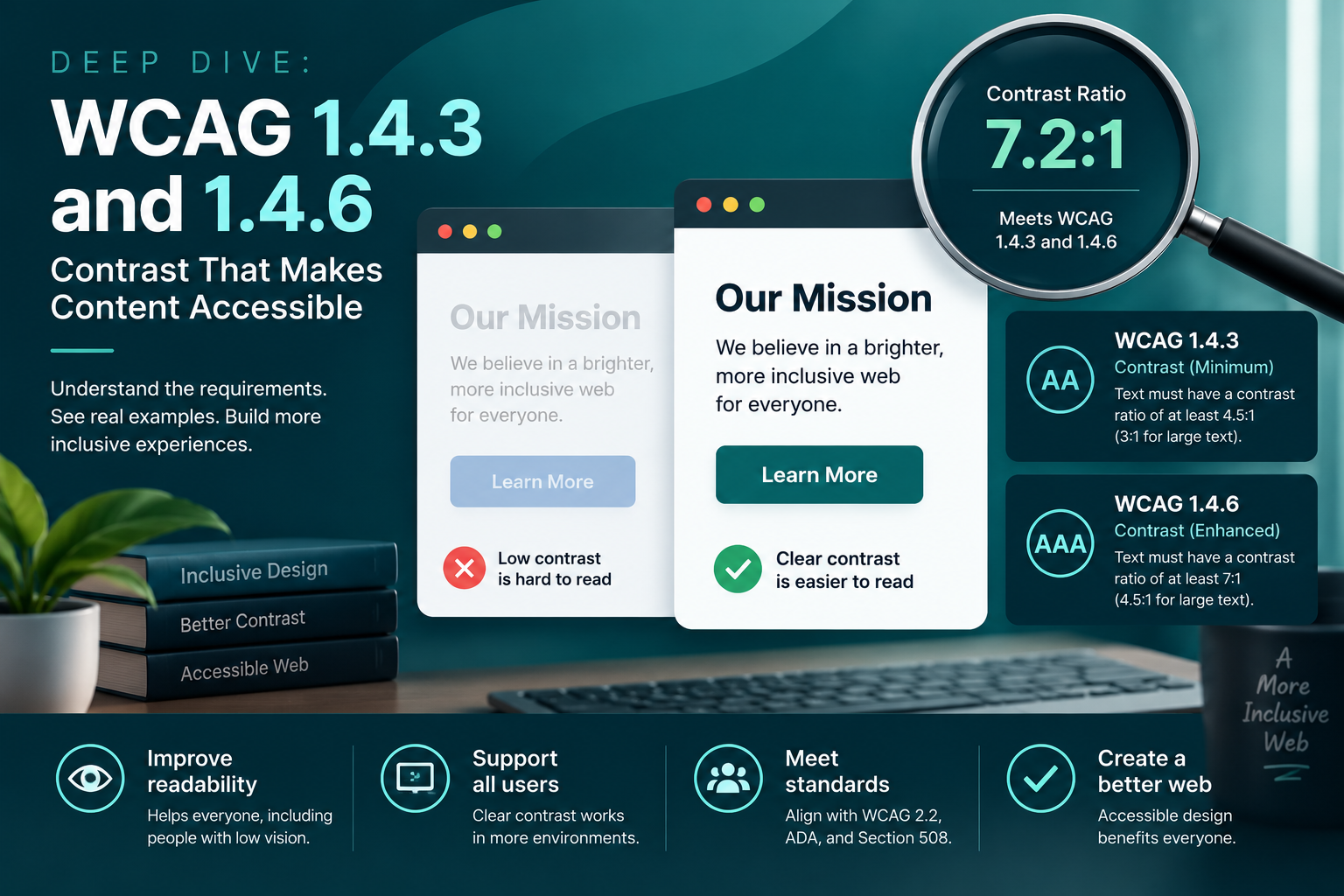
A Practical Deep Dive: Episode 1
September 4, 2026 In-depth
Color contrast is one of the most recognized accessibility requirements on the web, but WCAG 1.4.3 is more nuanced than simply checking whether text looks dark enough ...
Read guide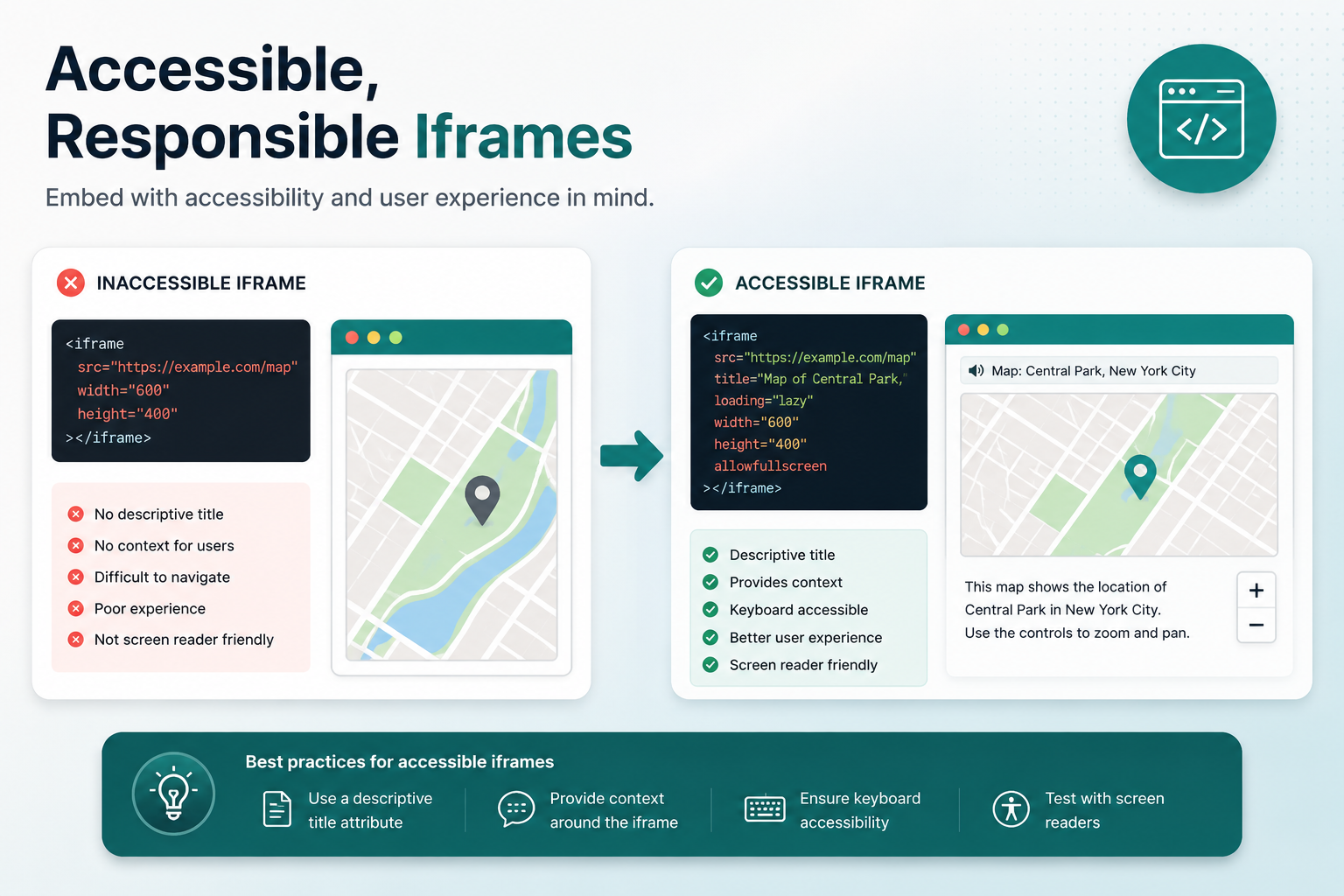
Accessible, Responsive Iframes
September 1, 2026 Tutorial
Learn how to make embedded content responsive and accessible with descriptive titles, useful context, keyboard support, and thoughtful handling of third-party content.
Read guide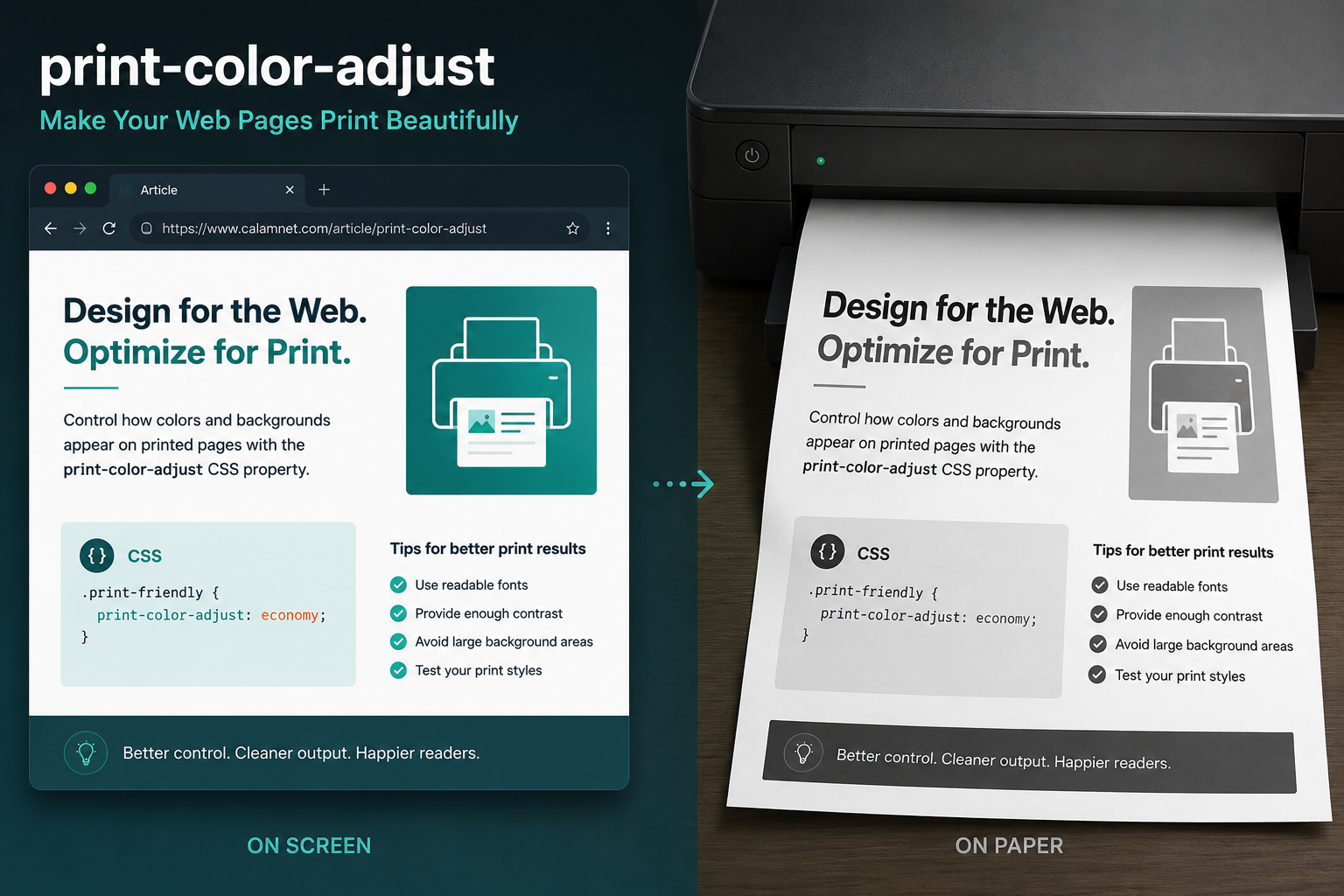
print-color-adjust
August 20, 2026 Tutorial
Browsers do not always print a webpage exactly as it appears on screen. Learn how print-color-adjust affects backgrounds, colors, images, and other visual treatments when content is printed.
Read guide
The Accessibility of Fonts
August 19, 2026 Tutorial
Font choice can make a website feel polished, trustworthy, playful, technical, or familiar. It can also make a page easier—or substantially harder—to read.
Read guide
Captions vs. Subtitles: A Guide to Caption Formats and Accessibility
August 12, 2026 Tutorial
Learn about the differences between captions and subtitles, their various formats, and how to ensure they meet accessibility standards.
Read guide