
Welcome to the Calamnet.com Ecosystem
Explore Calamnet's collection over over 20+ tools for responsive media, color design, security, and web development, plus tutorial guides, as well as additional resources for Copy Editor, ELI5, and Media Transcriber to see if they are the right tool for you.
Premium tools
-
Media Transcriber
Turn audio and video into readable transcripts and captions.
-
Copy Editor
Draft, revise, and analyze your writing.
-
ELI5
Explore complicated topics in plain language.
Tool collections
-
Responsive Video & Audio Embeds
Generate responsive players with descriptive labels and options for transcripts and timed text.
-
Color Design Tools
Pick colors from images, build palettes, check contrast, and convert color values.
-
Helpful Web Developer Tools
Prepare social previews, tag campaign links, convert images, and test responsive layouts.

Calamnet Guides
Field Notes
Follow a question into the details of how the web works and how to make it more accessible.
Featured guides
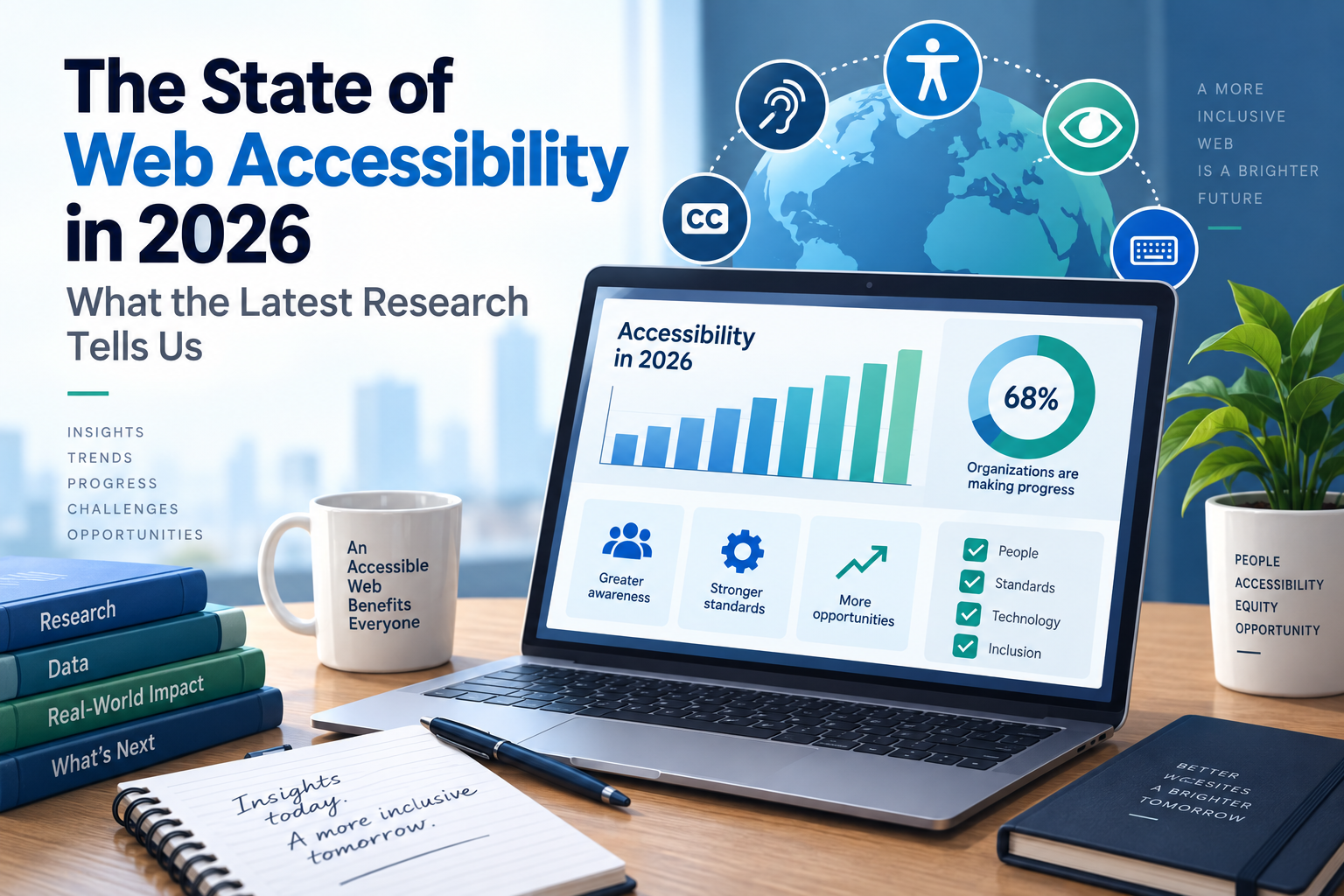
- The State of Web Accessibility in 2026 01 · Research Web accessibility continues to improve, but recent research shows that significant barriers remain across websites and digital experiences. This article examines the latest findings, explores where progress is being made, and highlights the persistent challenges affecting people with disabilities. It also considers what the research means for designers, developers, and organizations working to create a more inclusive web in 2026 and beyond.
- The Accessibility of Fonts 02 · Tutorial Font choice can make a website feel polished, trustworthy, playful, technical, or familiar. It can also make a page easier—or substantially harder—to read.
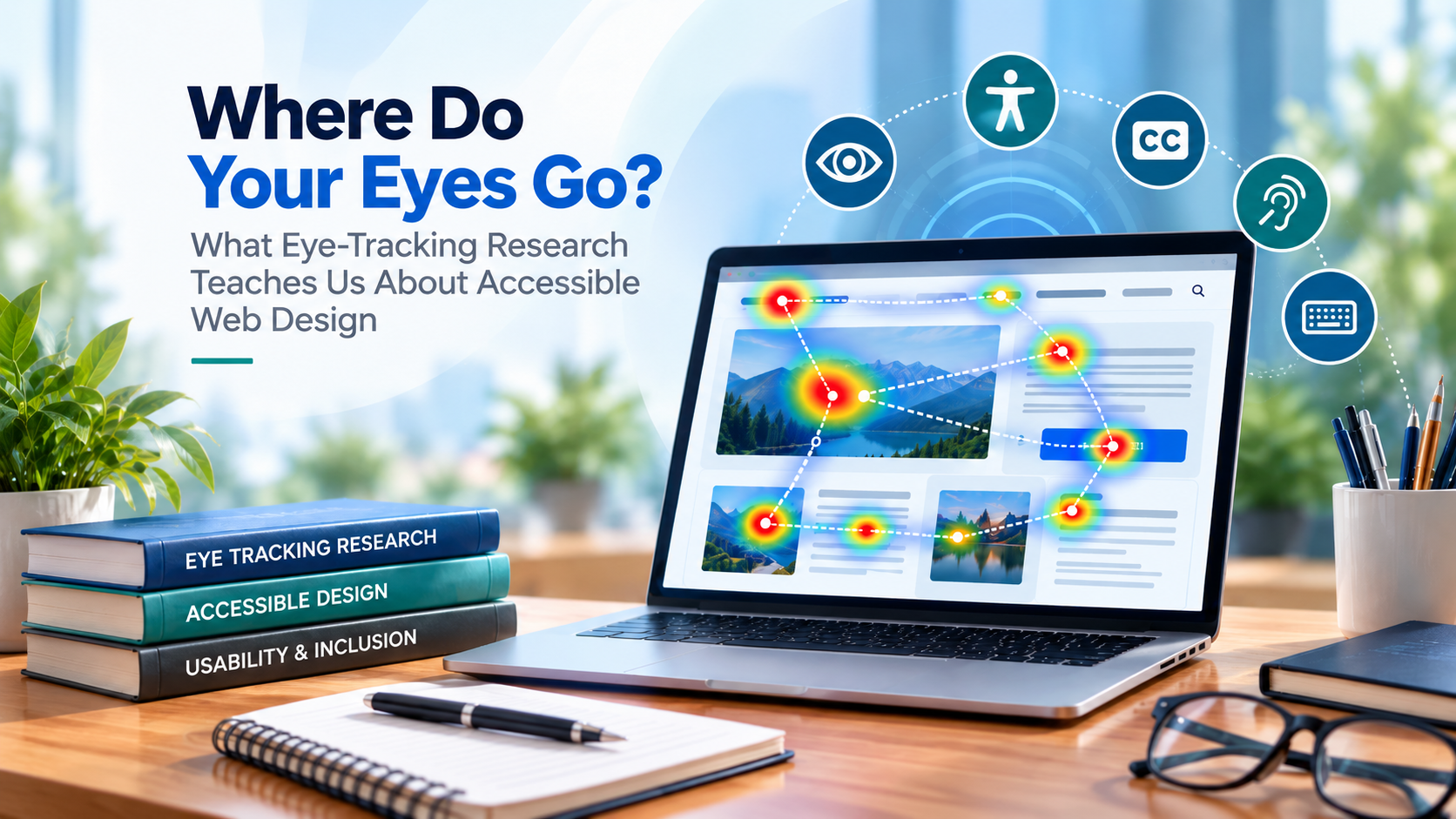
- Where Do Your Eyes Go?... 03 · Guide This guide explores what recent eye-tracking research can teach us about accessible web design. It examines how people visually navigate websites, recognize links and controls, process text, respond to visual complexity, and experience images and navigation. The research highlights the importance of clear visual hierarchy, discoverable interactions, readable content, and reducing unnecessary visual competition, while also showing how factors such as dyslexia, age, language proficiency, and individual differences can affect visual behavior. The guide also explains the limitations of eye tracking and why it should complement and not replace accessibility standards, assistive technology testing, and testing with disabled users.